X
X
top

Uncategorized

Der Retter ناجی

German below


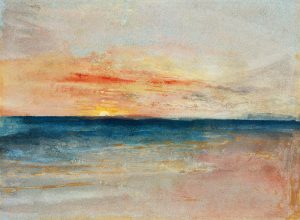
به آرامی قدم برداشت. بدون هیچ تأملی. بدون اینکه حتی تصوری از بعد و قبل و پیش آمد و پس آمد داشته باشد. قدم برداشت. آرام‌آرام تا میانه‌ی رودخانه جاری رفت. و بعد هم چیزی که ما دیدیم، همان تصویر رودخانه بود و خورشید که حالا دیگر غروب می‌کرد. می‌گفتند دلیل کشته شدن سه نفر بوده است. نه که قاتل باشد. نه. اما مقدمات کشتن را فراهم می‌کرده. می‌گفتند در هر مورد، او هم آن گوشه و کنارها پرسه می‌زده. می‌گفتند همیشه بوده و هست و خواهد بود..

********

می‌گفتند آن روزی که آن مرد لاغر عینکی از دفتر کارش بیرون آمد و با آن خوشحالی فریاد زد «کشتمش، کشتمش» او را دیدند که با رضایت خاطری در چهره‌اش مثل وقتی که پدری به فرزندش اعتماد می‌کند از در پشتی خارج شده است. آن روز هم که جسد چاق و بدریخت آن مرد کت‌وشلوار پوشیده‌ی کروات‌زده‌ی کمی فربه را پیدا کردند او بود که چیزی پشتش قایم می‌کرد و با همان احساس رضایت از صحنه‌ی جرم خارج می‌شد. در همه موارد قاتلین با سرخوشی عجیبی و اعتمادبه‌نفس اعتراف می‌کردند. حتی گفتند وقتی آن زن ماشه‌ی تفنگ را کشید و سر سفره‌ی شام به سر آن مردش کمی شلیک کرد همسایه‌ها فریاد شادی شنیدند.

می‌گفتند مرد طبق عادت هر شب، بشقاب غذای چرب و چیلش را که تمام کرد، بشقاب را بالا گرفت و همان‌طور که چهارزانو سر سفره نشسته بود به زن جمله‌ی همیشگی را گفت: «بازم داریم؟» زن هم بشقاب را گرفت تا آشپزخانه رفت و برگشت و با لبخند ملیح کودکانه‌ای تیر را توی سر مرد خالی کرد. بعد هم از مغز مرد و برنجی که در دیس بود توی بشقاب کشید و به عنوان نذری به خانه‌ی همسایه‌ها فرستاد. در همه موارد خیلی قتل اما، هیچ مدرک جرمی پیدا نمی‌شد. آلات قتاله همه ناپدید می‌شدند. اثر انگشت‌ها با دقت زیادی پاک می‌شدند و جرم‌ها به سختی قابل اثبات بودند.

********

شایعات زیاد بود. خیلی‌ها می‌گفتند او پیامبر ۱۳۴,۰۰۱ بود. بعضی‌ها می‌گفتند او را هیچ‌کس ندیده است. بعضی‌ها می‌گفتند انسان رئوفی است. هر سه قاتل وجود او را و دست داشتنش در قتل‌هایشان را انکار می‌کردند. آفتاب غروب می‌کرد. رودخانه در جریان بود. و هیچ وقت ندانستیم که وقتی با قدم‌های مصمم به داخل آب می‌رفت، زیر لب با خودش چه می‌گفت. حتی چهره‌اش را ندیدیم و ندانستیم که همان حس رضایت در چهره‌اش بود یا سرخی غروب غمگینش می‌کرد

کلن ۲۰۱۸

Er ging langsam. Ohne jedes Zögern. Ohne auch nur eine Vorstellung von Vorher und Nachher, von Geschehen und Folge zu haben. Er ging. Langsam, langsam bis zur Mitte des Flusses, bis in die Strömung hinein. Und dann war das Einzige, was wir sahen, das Bild des Flusses und die Sonne, die nun schon unterging. Man sagte, er sei die Ursache für den Tod von drei Menschen gewesen. Nicht, dass er ein Mörder gewesen wäre. Nein. Aber er habe die Voraussetzungen für das Töten geschaffen. Man sagte, bei jedem Fall sei er auch dort gewesen, an den Ecken und Rändern umherstreifend. Man sagte, er sei immer da gewesen und sei es noch und werde es sein.

********

Man sagte, an jenem Tag, als der dürre Mann mit der Brille aus seinem Büro kam und voller Freude rief: „Ich habe ihn umgebracht, ich habe ihn umgebracht!“, habe man ihn gesehen, wie er mit einer Gelassenheit im Gesicht, wie wenn ein Vater seinem Kind vertraut, durch die Hintertür hinausging. Auch an dem Tag, als man die dickliche Leiche jenes Mannes fand, gekleidet im Anzug mit Krawatte, habe er etwas hinter seinem Rücken versteckt und sei mit demselben Ausdruck von Zufriedenheit vom Tatort weggegangen. In allen Fällen hätten die Mörder mit einer seltsamen Heiterkeit und großem Selbstvertrauen gestanden. Man sagte sogar, als jene Frau den Abzug der Pistole betätigte und beim Abendessen auf ihren Mann schoss, hätten die Nachbarn Freudenschreie gehört.

*******

Man sagte, der Mann habe wie jeden Abend seinen Teller mit fettigem Essen geleert, den Teller hochgehoben und, während er im Schneidersitz am Esstisch saß, seiner Frau den gewohnten Satz gesagt: „Haben wir noch mehr?“ Die Frau nahm den Teller, ging in die Küche und kam zurück, und mit einem milden, kindlichen Lächeln streckte sie ihn mit einer Kugel in den Kopf nieder. Danach schöpfte sie vom Gehirn des Mannes und dem Reis, der in der Schüssel war, auf den Teller und schickte es als Opfergabe zu den Nachbarn. In allen Fällen gab es viele Morde, aber keine Beweise. Alle Tatwaffen verschwanden. Fingerabdrücke wurden sorgfältig beseitigt, und die Taten waren nur schwer nachzuweisen.

Es gab viele Gerüchte. Viele sagten, er sei der Prophet 134.001. Manche sagten, niemand habe ihn je gesehen. Manche sagten, er sei ein gütiger Mensch. Alle drei Mörder leugneten seine Existenz und seine Beteiligung an ihren Taten. Die Sonne ging unter. Der Fluss floss weiter. Und wir haben niemals erfahren, was er murmelte, als er mit entschlossenen Schritten ins Wasser ging. Wir sahen nicht einmal sein Gesicht und wussten nicht, ob derselbe Ausdruck von Zufriedenheit darin lag oder ob ihn die Röte des traurigen Sonnenuntergangs färbte..

Köln 2018

Booklet Text of the CD “Taste the Best” 2019

Words to the heat of deeds too cold breath gives
Shakespeare, Macbeth

“The Concept” is perhaps the term that I mostly thought of when I wanted to do this recording, my first recording ever. The question that then arose is: what do I want to portray as a concept? How perfect should the sculpture of a face be that really does not belong to me? Or rather, what should “I” present from the scores written by others? And what is my hammer and chisel for making this sculpture?

Music lives in time. Notations are more like tombstones. If the “performance” were an act of resurrection, a recording would be, so to speak, a sculpture of the “moment” and the movement of time, or if music had a life for itself, it would be a picture of a mummy.

With this first pessimistic impression, I started a small search in my mind. A quick search in the recording literature makes clear that at the same time these sculptures have photographed one moment of a life that for years can carry the breathing of the once lived. The live recording of Mahler’s Fourth Symphony by Willem Mengelberg is anything but a mummy, just as any recording by Carlos Kleiber. Even in today’s “Zeitgeist” such lively recordings can be found, specially in the field of the unfortunately so called “Early Music”. So, I see it as my task to stop time, while presenting the concept of time.

In a conversation with the Iranian photographer Ako Salemi I became aware of the works of the famous photographer Henri Cartier Bresson. Bresson creates a kind of interlaced work of art by, for example, photographing the artist Alberto Giacometti at the right moment next to one of his sculptures, which also has a running posture. The first living subject that I had was the music that was dear to my heart by J.S. Bach and his incredibly creative sons to one of the most humorous composers of all time, L.v. Beethoven, and a very lively and humane suite by A. Schönberg.

In my recording, I tried to run the music of these composers and tried to photograph them, following the example of Bresson. In this experiment, the role of Giacometti is given by the music, but I still feel very far from taking a camera like Bresson in my hand.

The choice of pieces is not linked to an intellectual concept. The fantasies by W.F. and C.P.E. Bach had a prelude-like character to me from the beginning when I started to read them, which convinced to use them as quasi-preludes to the two cycles of variations. The idea was to combine more freely composed pieces with the more stringent variations, but it must also be said that the two variation cycles by C.P.E. Bach and Beethoven both lead to free fantasies toward the end.

The choice of instruments is limited by a simple idea: from among the instruments available to me, Paul McNulty’s copy of a Walter piano was the most appropriate for the texture, sharpness, and articulation of the pieces in the first half of the recording. It was clear to me that, historically speaking, this instrument would not be the most accurate piano for the two sons of Bach, but I am also convinced that this decision will not harm the music.

The choice of the Blüthner grand piano from 1905 was first associated with my love for the Suite op. 25 by Arnold Schönberg. In my opinion, the suite suffers from the reputation of being seen as the first completely dodecaphonic piece by Schoenberg, and the immediate absurd judgement to rate it as a purely mathematical piece that breaks down “romantic” traditions. The absolutely humane and Brahms-inspired method of composition in this suite is immediately obvious. The classical structure of the movements, the intensity of the intervals and the importance of harmony are no less expressive than the late Romantic music literature. The warmth and, at the same time, clarity of the sound of the Blüthner grand piano was a great help to me in trying to get closer to this idea.

In conclusion, it could be said that when a recording is released, it is no longer a part of the artist. If it creates its own life, hopefully, it can share this life with its audience, and even if not, the image of a once-in-a-lifetime movement will remain, like a painting hanging on a wall. The artist is no longer the same as at the time of the recording and will continue observing the flow of time.

Arash Rokni